Uterine fibroids are one of the most common gynecological conditions affecting women during their reproductive years. While many fibroids are small and harmless, others can cause severe symptoms such as heavy periods, weight gain, abdominal bloating, infertility, pelvic pain, and recurrent miscarriages.
At Navishqa Clinic, Bengaluru, led by Dr. Richa Pal, women receive comprehensive and personalized fibroid treatment focused on symptom relief, fertility preservation, and minimally invasive surgical care whenever required.
With modern diagnostic tools, medical management options, and advanced laparoscopic surgery techniques, women today no longer need to silently suffer from fibroids.
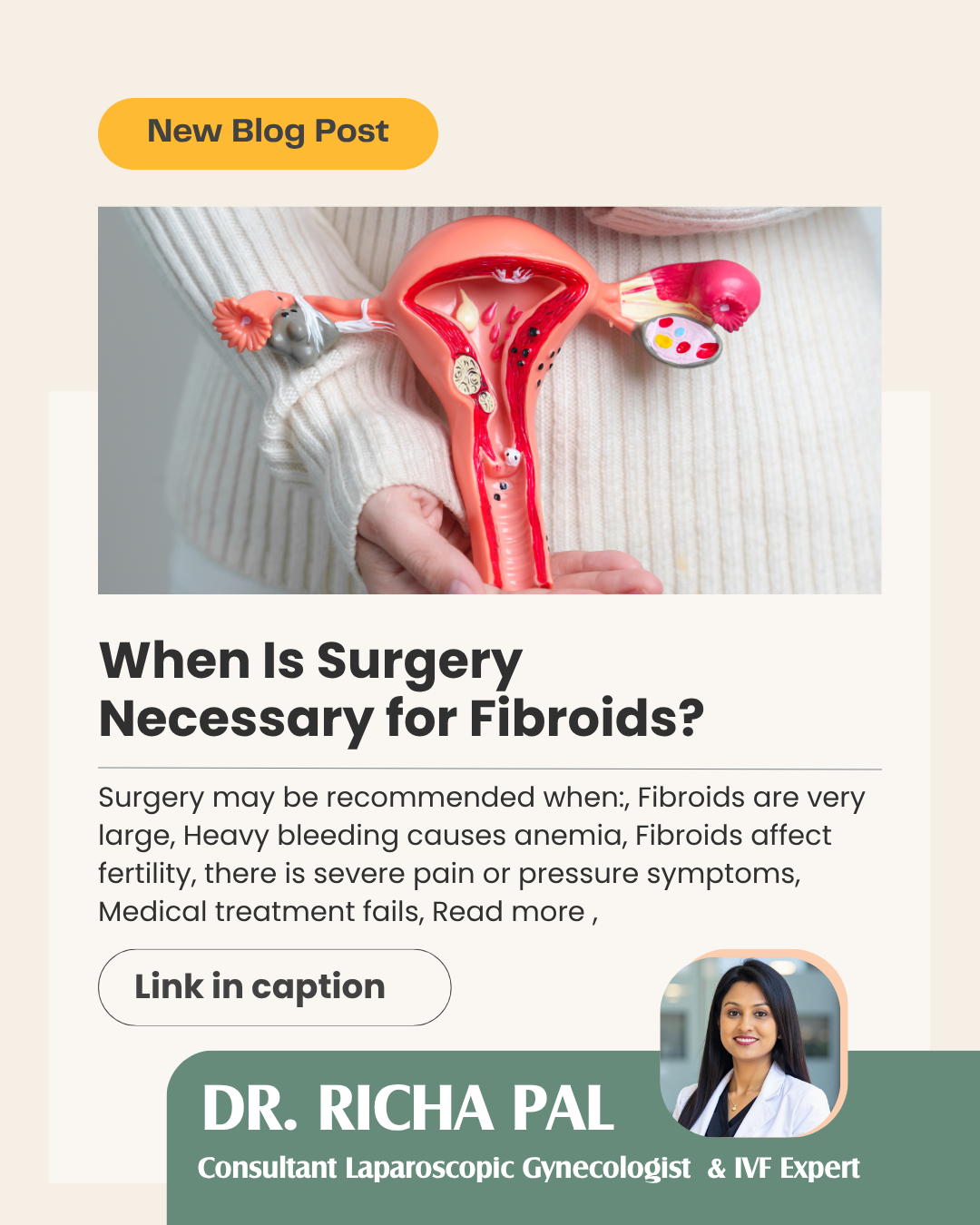
Fibroids, also known as leiomyomas or myomas, are non-cancerous growths that develop in or around the uterus. They can vary greatly in size — from tiny seed-like growths to very large masses that enlarge the uterus significantly.
Fibroids may occur as:
- Single fibroid
- Multiple fibroids
- Fibroids inside the uterine cavity
- Fibroids within the uterine wall
- Fibroids outside the uterus
Many women may not even know they have fibroids until symptoms begin affecting their quality of life or fertility.
Symptoms depend on the size, number, and location of the fibroids.
Common signs include:
- Heavy menstrual bleeding
- Passing blood clots during periods
- Long or painful periods
- Pelvic pressure or heaviness
- Lower abdominal swelling
- Frequent urination
- Constipation
- Back pain
- Pain during intercourse
- Difficulty conceiving
- Recurrent miscarriages
- Fatigue due to anemia
Some women also notice gradual unexplained weight gain or a persistent bloated abdomen.
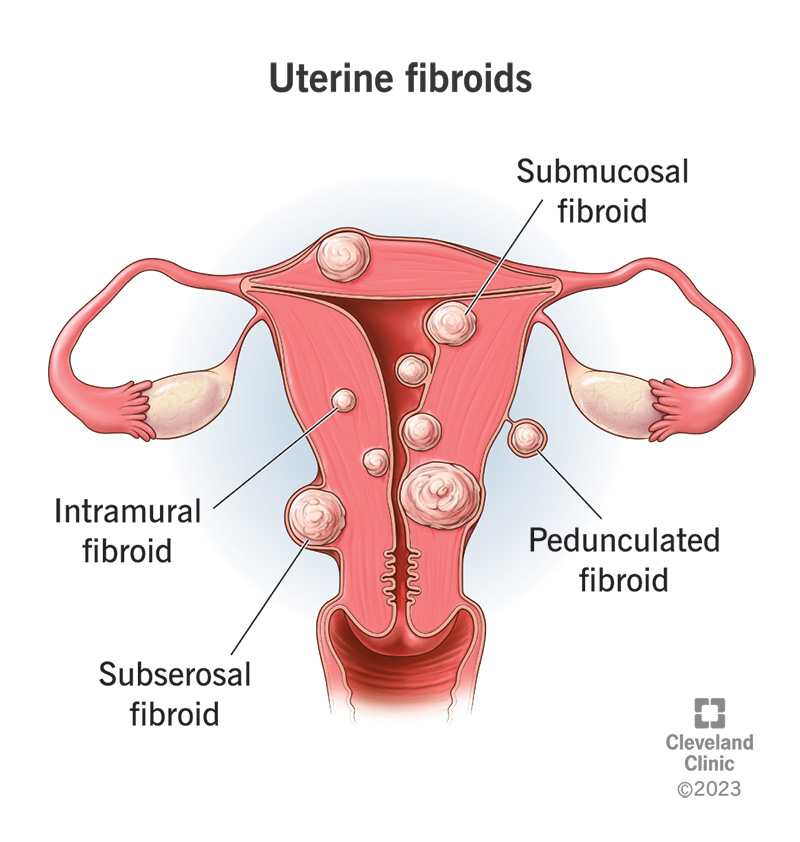
Many women assume their increasing abdominal size or weight gain is due to lifestyle changes, hormonal imbalance, or aging. However, large fibroids can significantly enlarge the uterus and mimic weight gain or pregnancy-like bloating.
Ignoring these symptoms can lead to:
- Severe anemia from excessive bleeding
- Pressure on the bladder and bowel
- Reduced fertility
- Increased surgical complexity if fibroids become very large
- Chronic pelvic discomfort
If you notice:
- Sudden increase in abdominal size
- Persistent bloating
- Heavy periods with fatigue
- Feeling of fullness in the lower abdomen
you should consult a gynecologist for evaluation.
At Navishqa Clinic, detailed ultrasound and gynecological assessment help identify fibroids early and plan the most appropriate treatment.
The exact cause of fibroids is not fully understood, but several factors increase the risk.
Common risk factors include:
- Hormonal imbalance (estrogen dominance)
- Family history
- Obesity
- Delayed pregnancy
- PCOS and metabolic disorders
- Early onset of menstruation
- Stress and sedentary lifestyle
Fibroids are most commonly seen in women between 30–45 years of age.
Fibroids are usually diagnosed through:
- Pelvic examination
- Ultrasound scan
- Transvaginal sonography
- MRI scan in complex cases
- Hysteroscopy in selected patients
The treatment approach depends on:
- Size of fibroids
- Number of fibroids
- Symptoms
- Age of the patient
- Fertility goals
- Future pregnancy plans
Not all fibroids require surgery.
Small fibroids without severe symptoms may be managed medically and monitored regularly.
Medical treatment options include:
- Hormonal medications
- Medicines to reduce heavy bleeding
- Iron supplements for anemia
- Pain management medications
- Hormone-regulating injections in selected cases
Medical management may help:
- Reduce symptoms
- Control bleeding
- Improve anemia
- Temporarily shrink fibroids
However, medicines may not permanently eliminate fibroids, especially larger ones.
Surgery may be recommended when:
- Fibroids are very large
- Heavy bleeding causes anemia
- Fibroids affect fertility
- There is severe pain or pressure symptoms
- Medical treatment fails
- Fibroids grow rapidly
- Recurrent miscarriages occur
- Fibroids distort the uterine cavity
The goal is always to choose the safest and most fertility-friendly treatment possible.
If you are facing any gynecologic issue, consulting an experienced specialist like Dr Richa Pal can help you understand whether laparoscopic surgery is the right choice for you.
Book a consultation with Dr Richa Pal today to explore safe and advanced laparoscopic treatment options for your condition.
Modern laparoscopic fibroid surgery has transformed gynecological care.
Instead of a large abdominal cut, laparoscopy uses tiny keyhole incisions with a high-definition camera to remove fibroids safely and precisely.
Advantages of laparoscopic fibroid surgery:
- Smaller scars
- Less pain
- Minimal blood loss
- Faster recovery
- Shorter hospital stay
- Lower infection risk
- Early return to work
- Better cosmetic outcome
- Reduced adhesions
- Better fertility preservation
For eligible women, laparoscopic myomectomy is considered the gold standard approach.
At Navishqa Clinic, advanced minimally invasive techniques are used to ensure safe surgery with faster healing and improved outcomes.
Many women with fibroids worry about their future pregnancy chances.
The good news is that fertility can often be preserved successfully with proper planning and treatment.
Fibroids may affect fertility by:
- Blocking fallopian tubes
- Distorting the uterine cavity
- Affecting implantation
- Causing recurrent miscarriages
- Interfering with embryo growth
Fertility-preserving treatment options include:
- Laparoscopic myomectomy
- Hysteroscopic fibroid removal
- Medical optimization before conception
- Careful uterine reconstruction during surgery
The type of surgery is chosen carefully depending on:
- Fibroid size
- Number
- Location
- Future pregnancy plans
Dr. Richa Pal focuses on uterus-preserving and fertility-preserving fibroid management whenever possible.
Recovery after laparoscopic surgery is usually quick.
Most women:
- Walk within hours
- Resume light activities in a few days
- Return to work within 1–2 weeks
- Experience significantly less pain compared to open surgery
Follow-up care includes:
- Monitoring healing
- Managing anemia
- Fertility guidance if planning pregnancy
- Lifestyle and hormonal counseling
Lifestyle plays an important role in hormonal health.
Helpful measures include:
- Weight management
- Regular exercise
- Reducing processed foods
- Balanced diet rich in iron
- Managing stress
- Adequate sleep
- Routine gynecological checkups
Early diagnosis and treatment help prevent complications.
Can fibroids become cancerous?
Fibroids are usually non-cancerous. Cancerous transformation is extremely rare.
Can fibroids cause infertility?
Yes. Depending on their size and location, fibroids can interfere with conception and pregnancy.
Is surgery always necessary?
No. Many fibroids can be managed medically if symptoms are mild.
Can fibroids come back after surgery?
Yes, some women may develop new fibroids in the future, especially during reproductive years.
Is laparoscopic surgery safe?
Yes. In experienced hands, laparoscopic fibroid surgery is highly safe and offers faster recovery.
Can I get pregnant after fibroid removal?
Yes. Many women conceive naturally after fertility-preserving fibroid treatment.
How do I know if my bloating is due to fibroids?
Persistent abdominal heaviness, heavy periods, pelvic pressure, and increasing abdominal size should be evaluated by a gynecologist.
Fibroids are extremely common, but they should never be ignored when they begin affecting your health, fertility, or quality of life. Symptoms such as heavy bleeding, abdominal bloating, unexplained weight gain, pelvic pressure, and infertility deserve timely evaluation.
Modern fibroid treatment in Bengaluru now offers excellent outcomes through medical management, fertility-preserving procedures, and advanced laparoscopic surgery techniques.
Early diagnosis and the right treatment can help women regain comfort, confidence, and reproductive health while avoiding unnecessary complications.
If you are experiencing symptoms of fibroids, consult Dr. Richa Pal at Navishqa Clinic, Bengaluru, for expert evaluation and personalized treatment guidance.
Address
190/ B -1 1st floor above union bank , HN plaza , 6th Main, 7th block, 4th phase , banashankari 3rd stage , Bengaluru 85 , Karnataka
Contact Dr. Richa Pal
9535749859
Contact Dr. Mithun KN
9742111300
info.navishqa@gmail.com
Dr. Richa Pal
MBBS, DGO, DNB, FMAS, FRM, FICG, FSCRM
Consultant laparoscopic Gynecologist,
Fertility & high-risk pregnancy care expert
Follow me
Dr. Mithun KN
MBBS, DNB (Pediatric Surgery),
Fellowship in Pediatric Urology
Consultant pediatric surgeon & urologist